
The growing influence of resale culture in luxury watches
Luxury watches and trainer culture may seem worlds apart, but in 2026 the similarities are surprisingly similar.
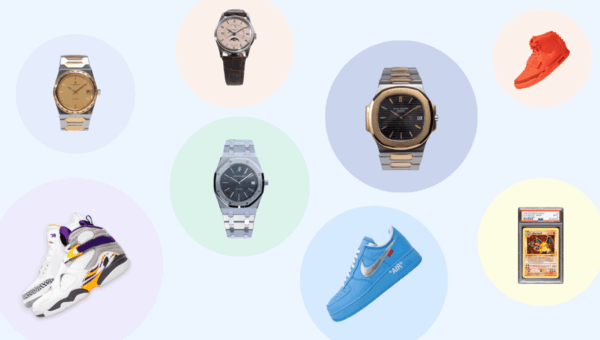
For years, luxury watches were associated with heritage and craftsmanship, while trainer collecting was driven by hype and exclusivity.
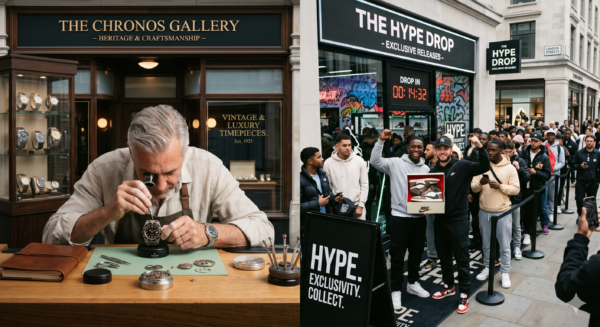
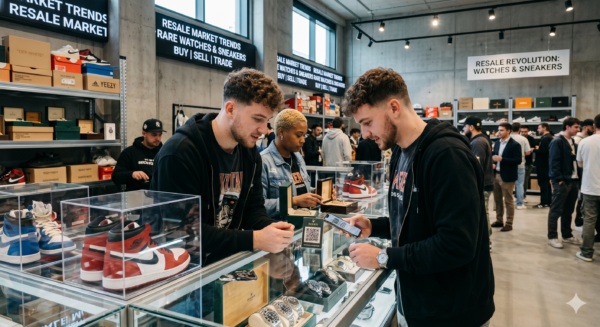
Today, the luxury watch market is matching buying behaviours that turned trainers into one of the world’s biggest resale industries.
From waiting lists and limited releases to social-media hype, many luxury timepieces are now behaving more like sought-after limited offers.
Scarcity is now part of the appeal
One of the biggest lessons the watch industry has taken from trainer culture is the power of scarcity.
Nike and Adidas built enormous demand through limited-edition releases. The harder a pair of trainers became to get hold of, the more desirable they seemed. Luxury watch brands now operate in a very similar way.
Few people are walking into an authorised dealer today and buying certain Rolex or Patek models on the spot. Almost impossible. Waiting lists are now the norm, especially for stainless steel sports models.
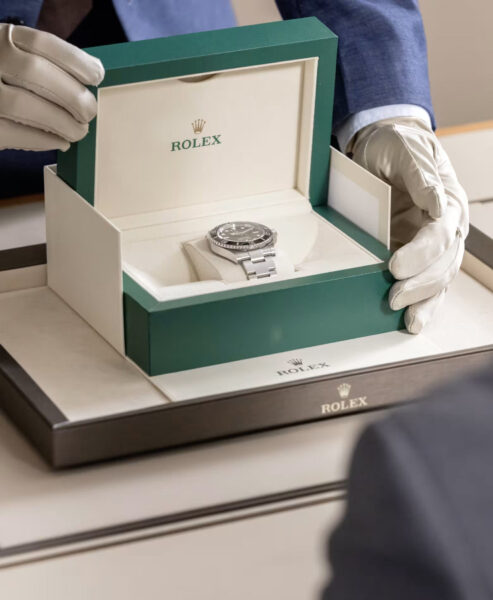
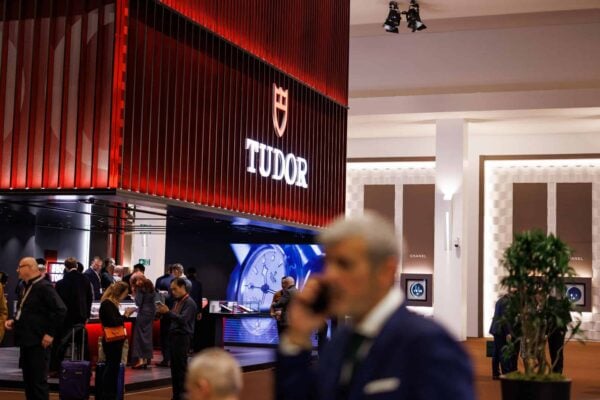
At Watches and Wonders 2026, our team saw Rolex offering exclusivity with releases like the precious-metal Oyster Perpetual models and updated Daytonas.
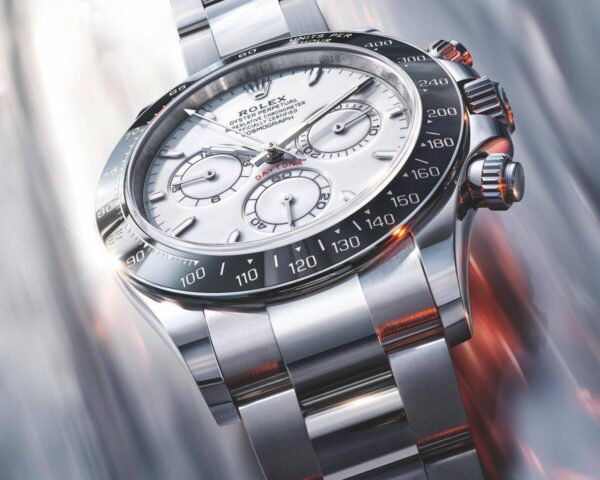
While the changes were subtle, the launches generated huge discussion across the watch community long before most collectors even saw them.
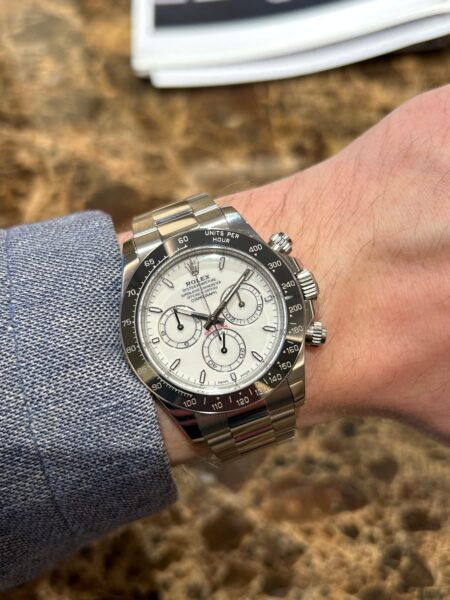
Collectors increasingly value watches not just because they are wonderfully made, but because they are genuinely hard to obtain.
Why the secondary market is now part of watch culture
Platforms such as Laced and eBay transformed trainers into tradable assets, with some limited-edition releases doubling or tripling in value almost overnight.
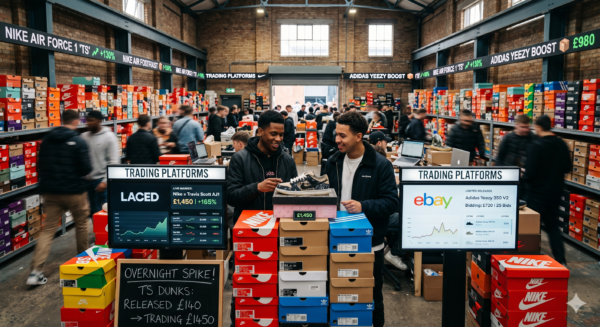
Luxury watches have followed suit. For many buyers, the true value of a watch is no longer simply its retail price – it’s the current market value on the pre-owned market.
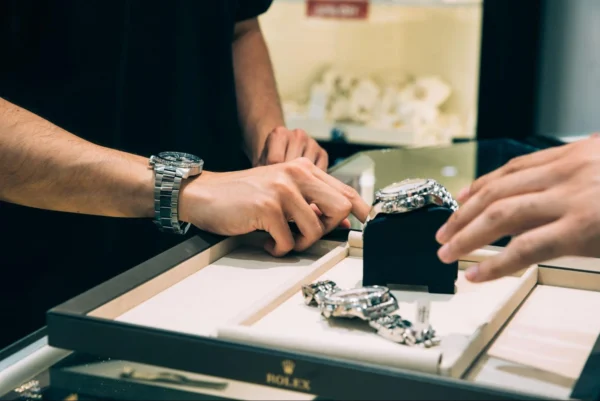
Modern buyers are far more conscious of long-term desirability than ever before.
For many, a watch is no longer just a luxury item – it’s also considered part of a much broader collecting culture.
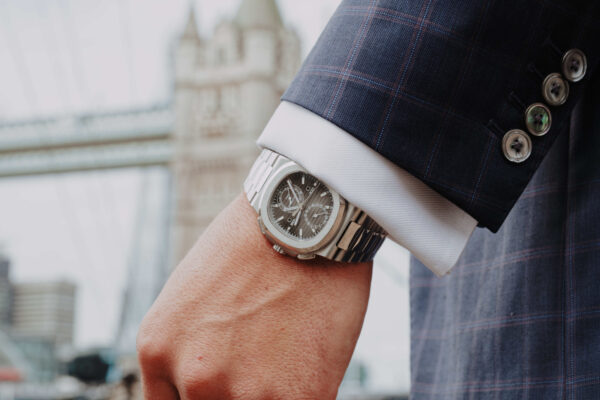
Watches and Wonders 2026 and the rise of hype culture
Traditionally, watch fairs focused heavily on technical innovation. While that still matters, modern launches are now just as focused on anticipation and online engagement.
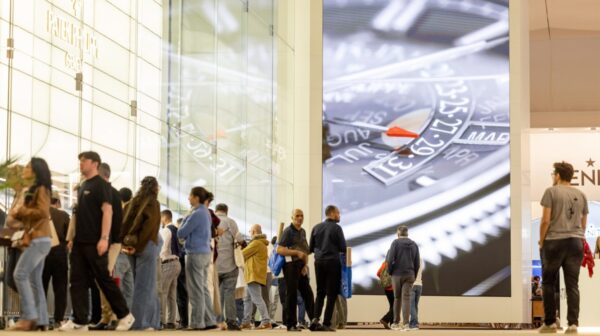
Much like a limited trainer release, watch brands now build momentum through teasers and leaks on social media ahead of a major launch.
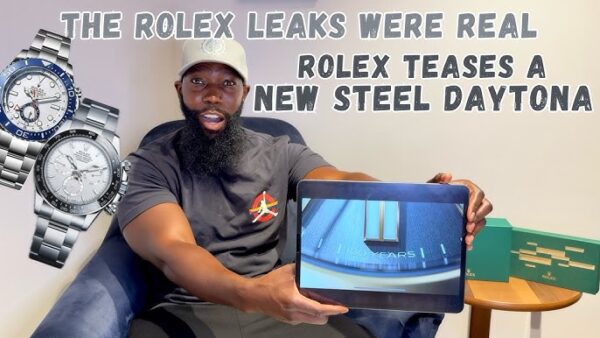
Several Watches and Wonders 2026 releases demonstrated just that.
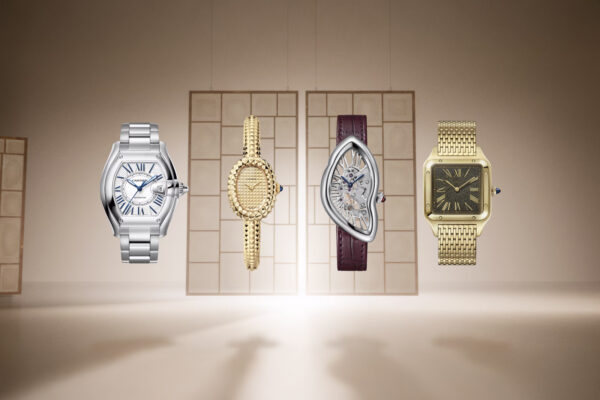
Cartier’s updated Roadster collection generated significant excitement among collectors, largely thanks to the model’s nostalgic appeal and growing popularity with younger buyers.
Tudor also created considerable online discussion with refinements on its Black Bay releases, including the Ceramic and the 58 – watches that immediately appealed to collectors looking for something modern and visually striking.
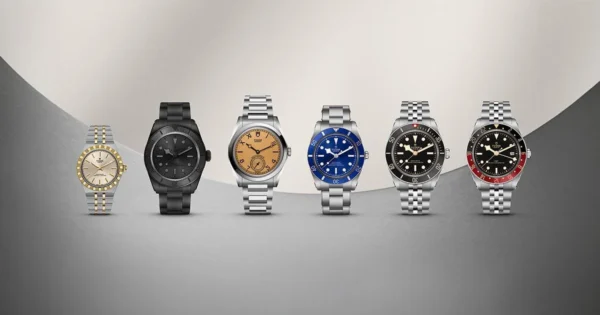
These launches spread rapidly across Instagram, YouTube and Reddit within hours of being announced.
How social media has changed the game
In the past, luxury watch marketing was largely controlled by the brands themselves. Now much of the excitement surrounding new releases is driven organically online.
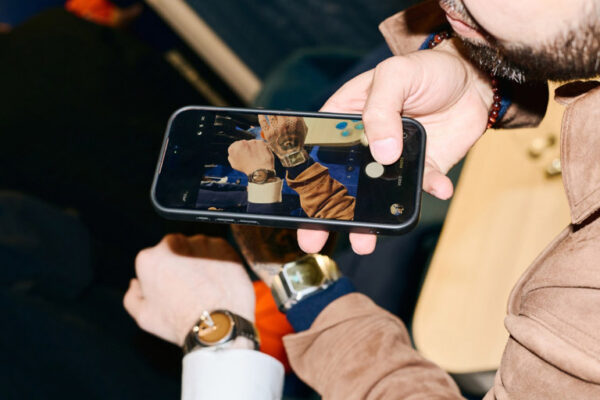
A single celeb appearance or viral TikTok video can dramatically increase interest overnight.
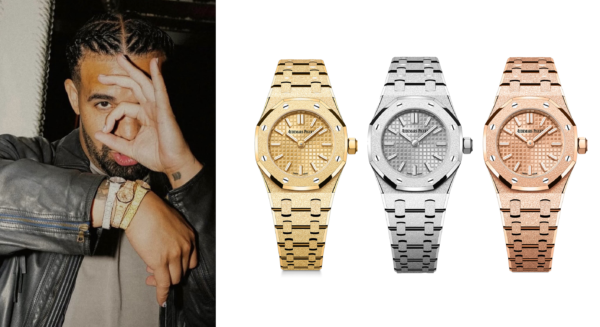
The rise of watch culture content across social media has also introduced luxury watches to a much younger audience. Rather than discovering brands through traditional advertising campaigns, many first-time buyers start through YouTubers and TikTok.
Younger collectors think differently
Younger collectors are generally far more comfortable buying pre-owned watches and are super aware of resale values and collectability.
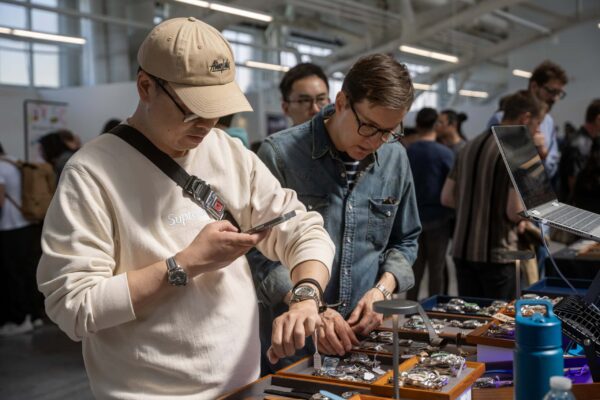
This partly explains why brands such as Cartier and Tudor continue to grow in popularity with younger audiences.
At Watches and Wonders 2026, several brands focused on smaller case sizes and everyday wearability, reflecting shifts in consumer taste away from oversized statement pieces of the last few years.
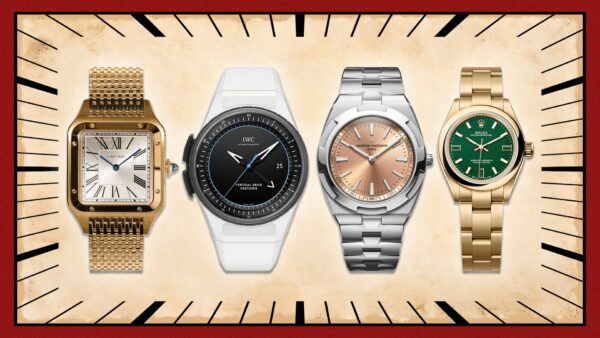
Today’s collectors increasingly value watches that fit naturally into modern lifestyles rather than being kept tucked away for best.
Luxury watches are now part of wider culture
Luxury watches no longer compete with other watches. They sit in a modern collecting culture that includes fashion, all heavily influenced by social trends.
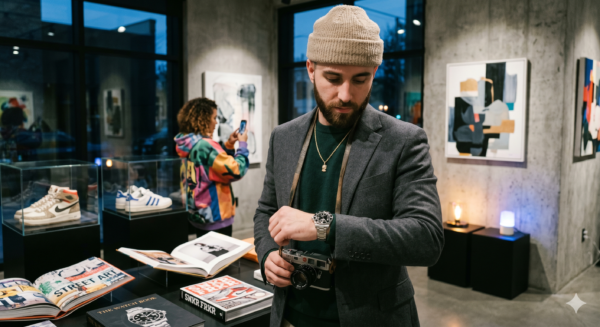
Watches and Wonders 2026 showed that today’s most successful watch brands understand this shift perfectly. Craftsmanship still matters but cultural relevance is becoming just as important.View some of our latest new and pre-loved offerings, here.