
What is a tourbillon and why does it matter?
The term tourbillon comes from the French word for “whirlwind”, a fitting description for one of watchmaking’s most mesmerising complications!
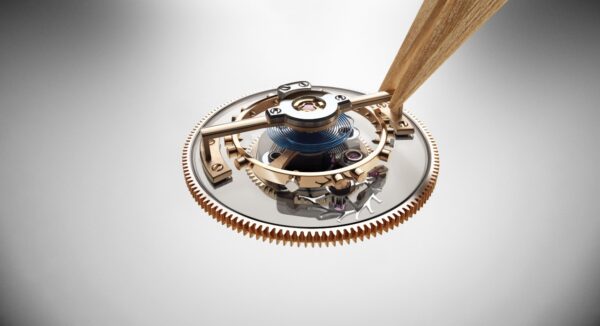
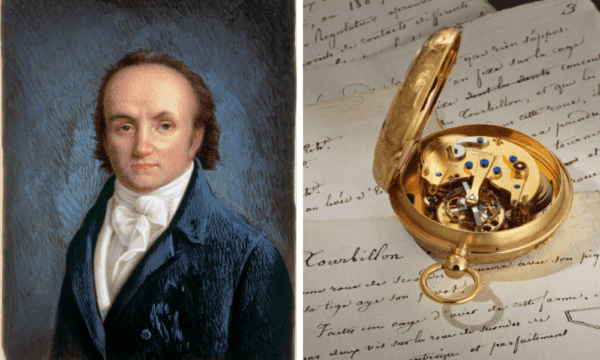
First developed in 1975 by Abraham-Louis Breguet during the era of the pocket watch, the tourbillon was created to improve accuracy, but today it’s just as admired for its visual appeal.
Watching the delicately rotating mechanism at work is a reminder of the skill and craftsmanship behind fine mechanical watches.
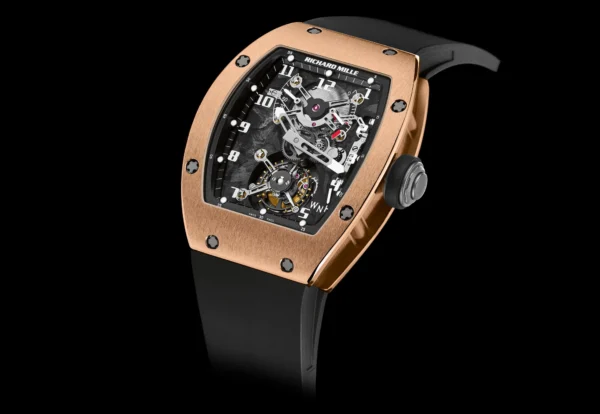
Typically tourbillons are found in high-end timepieces, and so they do come in at a premium and remain a relatively rare feature. You can expect to pay from five figures for a tourbillon watch.
What does a tourbillon watch do?
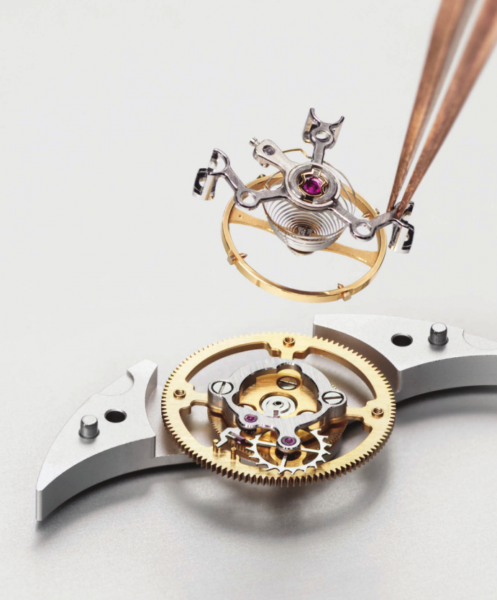
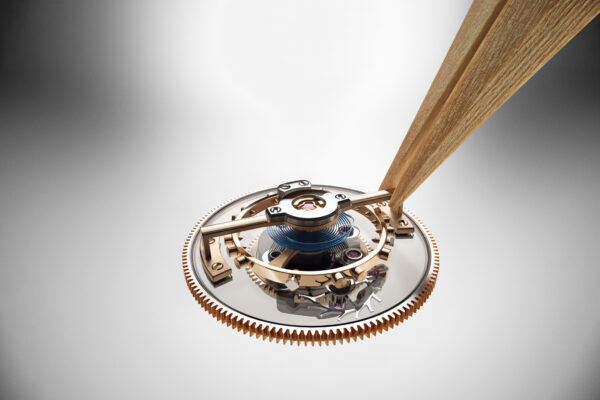
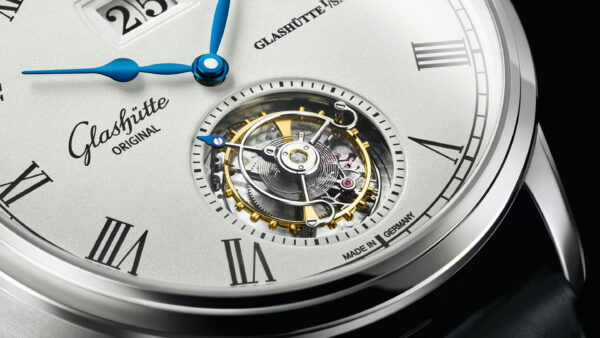
A tourbillon is all about balance. This intricate complication gathers some of the most important components of a mechanical watch – including the balance wheel and escapement – into a rotating cage.
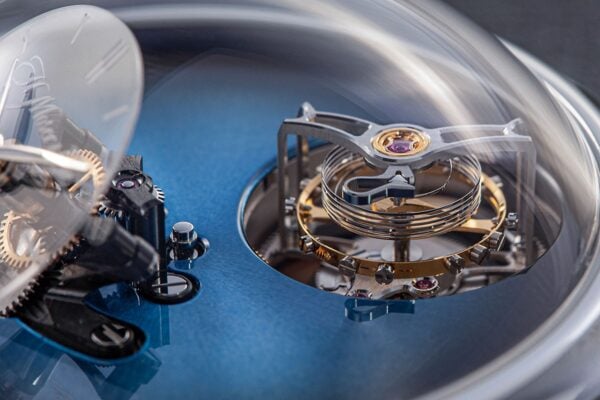
The escapement itself helps to regulate time by regulating the release of energy that keeps the watch running smoothly. In a tourbillon watch, this entire assembly slowly turns, most commonly completing one full rotation per minute.
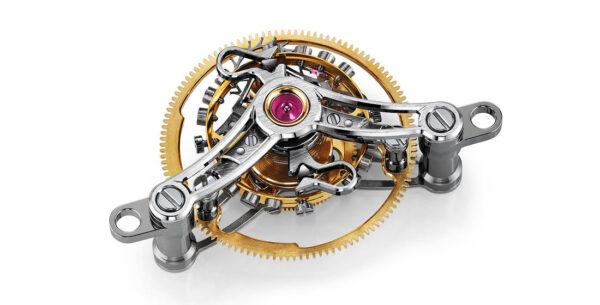
By constantly changing the position of these components, the tourbillon helps minimise the effects of gravity on the movement, smoothing out small variations in accuracy and showcasing the remarkable ingenuity behind traditional watchmaking.
Are there different types of tourbillons?
There are several types of tourbillons, each designed to showcase mechanical skill or improve performance:
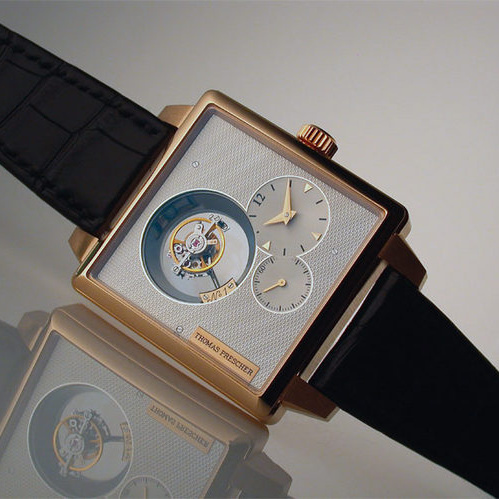
Standard (single-axis) tourbillon – The classic design where the escapement rotates on a single axis to average out positional errors.
Multi-axis tourbillon – The escapement rotates on two or more axes, often in a spherical motion, for added visual complexity and theoretical accuracy.
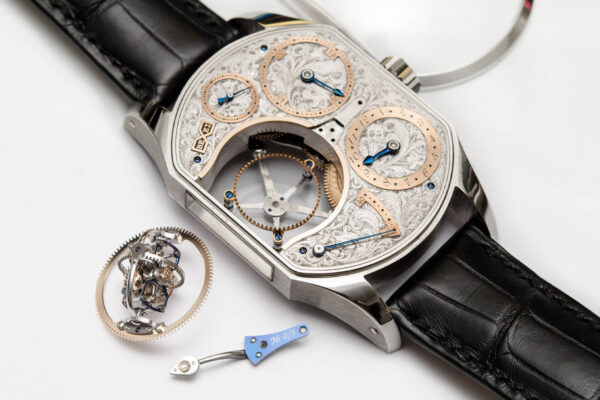
Flying tourbillon – Mounted only on one side without a supporting bridge on top, giving the appearance that it’s floating.
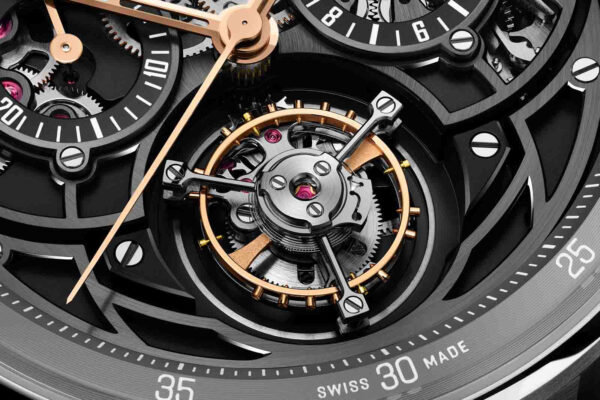
Carrousel tourbillon – Similar to a tourbillon but uses a different mechanical design to rotate the escapement, sometimes more durable or visually distinct.
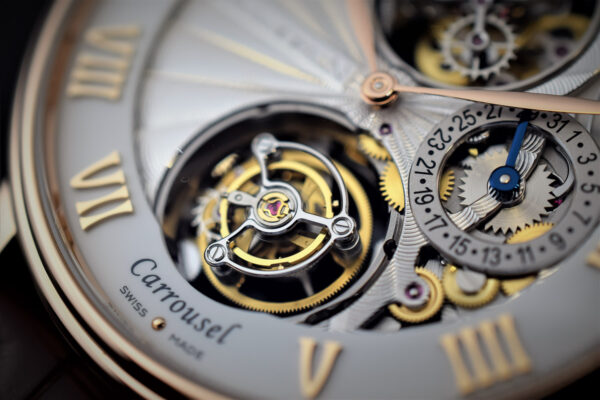
Gyrotourbillon – A highly complex multi-axis tourbillon, often seen in ultra-luxury watches, with dramatic, 3D rotation.
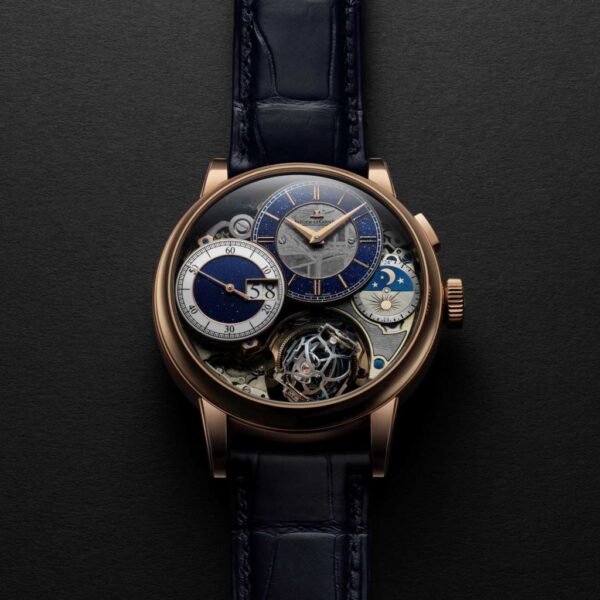
Does every luxury watch have a tourbillon?
Most luxury watches do not have a tourbillon. Even though a tourbillon looks fancy and is nice to admire, it actually offers little practical benefit in modern wristwatches and is expensive, delicate, and energy-hungry to produce.
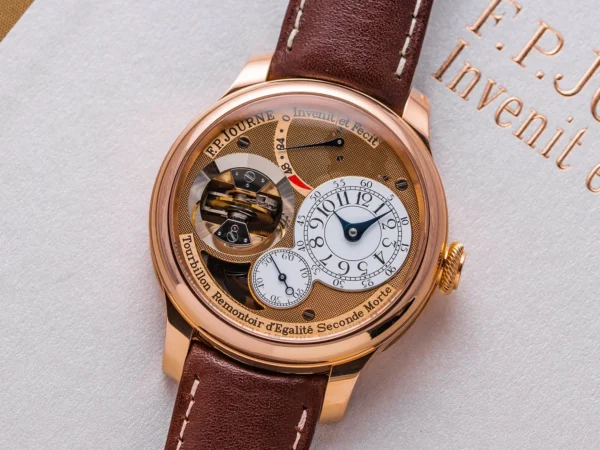
As a result, most luxury brands focus instead on high-quality movements, fine finishing, reliability, and more practical complications like date, chronograph, GMT, or moonphase.
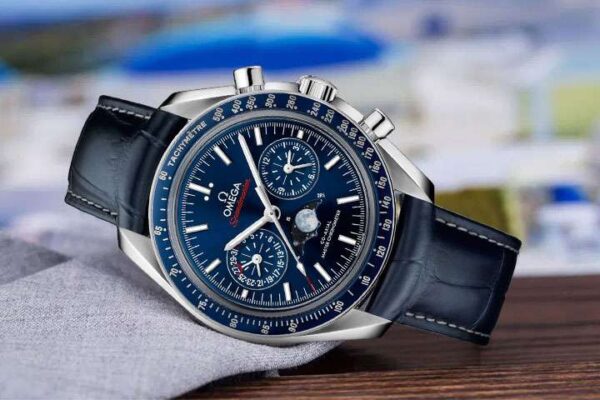
Tourbillons are mainly used as a showcase of craftsmanship rather than a requirement for a watch to be considered luxury.
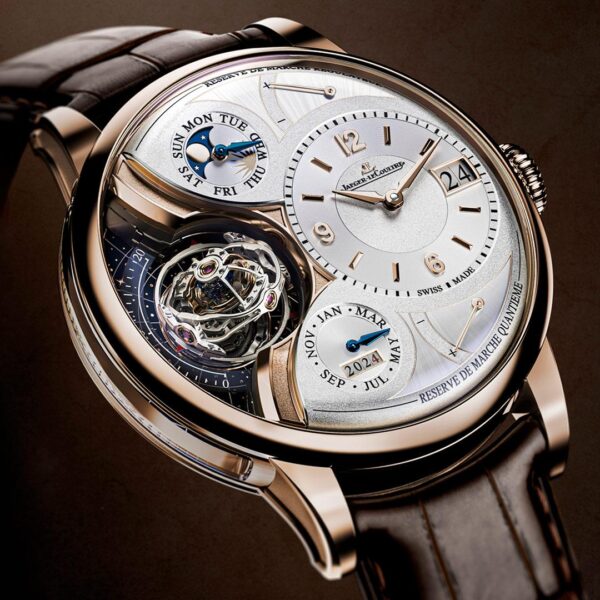
Rolex watches do not have tourbillons. Their movements are fully in-house, certified by the COSC (Official Swiss Chronometer Testing Institute), and are extremely accurate, but they never include tourbillons, multi-axis escapements, or other high-complication features typically found in brands like Breguet, Audemars Piguet, or Richard Mille.
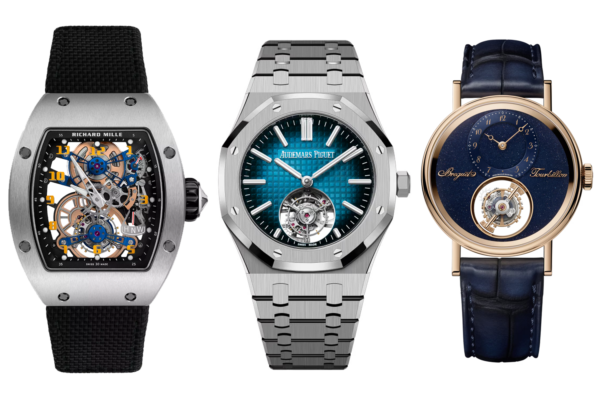
Do tourbillon watches need a battery?
Tourbillons are almost always found in mechanical watches, which are powered by a mainspring – a coiled spring that stores energy when you wind the watch manually or through the motion of your wrist (in an automatic movement).
The tourbillon is just a mechanical complication built into the escapement to improve – or at least showcase – precision, so it doesn’t need electricity at all.
Need more help?
If you’d like to know more about tourbillons or would like to see one for yourself, come along to our Essex boutique. We have some beautiful tourbillons currently on sale.